Wearable health devices have become a central part of modern wellness and preventive healthcare. From continuous glucose monitors to heart rate patches and sleep tracking sensors, these tools rely on materials that sit directly on the skin for long periods of time. Because of this constant contact, comfort and skin safety are just as important as accuracy and performance. If the bonding materials used in these devices are poorly designed, users may experience irritation, reduced wear time, or unreliable readings. Behind the performance of these devices is a highly specialized manufacturing process that focuses on precision, material science, and skin compatibility.
A custom adhesive coating company plays a key role in developing the layers that allow these devices to stay secure while remaining gentle on the skin. Without this level of customization and engineering, many of today’s wearable health innovations would not function effectively in real-world conditions.
The Growing Demand for Skin-Friendly Wearables
As healthcare shifts toward prevention and continuous monitoring, wearable devices are becoming more common in everyday life. Patients and consumers now expect devices that are not only accurate but also comfortable enough to wear for extended periods without discomfort. This has created a strong demand for materials that can balance adhesion strength with skin sensitivity. The challenge lies in creating a surface that holds firmly during movement, sweat, and daily activity while still allowing painless removal. Poorly designed materials can lead to redness, itching, or skin breakdown, especially in individuals with sensitive skin or chronic conditions. Manufacturers must therefore prioritize both performance and biocompatibility when designing wearable products. The success of these devices depends heavily on the quality of the materials used in their construction, particularly the layers that come into direct contact with the skin.
Material Engineering and Precision Coating
The development of wearable health technology requires a high level of material engineering expertise. Adhesive layers must be carefully formulated to achieve the right balance of stickiness, flexibility, and breathability. These properties ensure that devices remain secure while still allowing the skin to function naturally underneath. Advanced coating processes are used to control how adhesives interact with different skin types and environmental conditions. Temperature, humidity, and movement all influence how well a device performs once it is applied. In this context, a custom adhesive coating company provides the technical capability to design materials that meet specific performance requirements for medical and wellness applications. By adjusting chemical compositions and layering techniques, manufacturers can create products tailored for long wear times, sensitive skin, or high-movement environments such as fitness tracking.
Improving Comfort and Reducing Skin Irritation
Comfort is one of the most important factors in the success of any wearable health device. Even the most advanced monitoring system will be ineffective if users cannot tolerate wearing it consistently. Skin irritation is a common issue when adhesives are too harsh or not properly balanced for long-term contact. To address this, manufacturers focus on hypoallergenic materials and breathable structures that reduce moisture buildup under the device. These improvements help maintain skin health while still ensuring that the device remains securely attached. In addition, the texture and flexibility of the adhesive layer play a major role in user experience. Softer, more adaptive materials can move with the skin rather than against it, reducing friction and discomfort during daily activities. This focus on comfort has become a key differentiator in the wearable health technology market.
Enhancing Device Performance and Reliability
Beyond comfort, adhesive performance directly impacts the reliability of wearable health devices. If a device shifts or detaches prematurely, it can lead to inaccurate readings or interrupted monitoring. This is especially critical in medical applications where continuous data is required for treatment decisions. Strong but skin-safe adhesion ensures that devices remain in place even during physical activity or exposure to moisture. Engineers must carefully test materials under real-world conditions to ensure consistent performance across different users. Factors such as sweat resistance, temperature changes, and skin oils all affect adhesion quality. By refining these variables, manufacturers can improve both the durability and accuracy of wearable devices, making them more dependable for long-term health tracking.
Innovation in Health Technology Materials
The rapid growth of digital health tools has driven significant innovation in material science. New coating technologies are being developed to improve breathability, reduce skin trauma, and extend wear time. These innovations are not limited to adhesives alone but also include backing materials and protective layers that work together as a system. Researchers continue to explore ways to make materials thinner, more flexible, and more adaptive to different body types. These advancements are helping bridge the gap between medical-grade performance and everyday usability. As a result, wearable devices are becoming more seamless and less intrusive, encouraging wider adoption among patients and consumers who value both health insights and comfort.
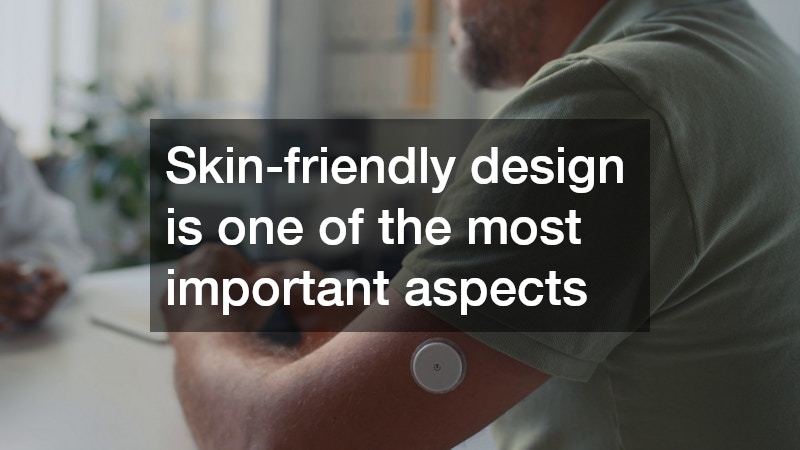
Skin-friendly design is one of the most important aspects of modern wearable health technology. As devices become more integrated into daily life, the materials used to support them must evolve to meet higher standards of comfort, safety, and performance. Every layer that comes into contact with the skin plays a role in determining how effective and user-friendly a device will be. The expertise of a custom adhesive coating company is essential in this process, as it enables the creation of specialized materials that balance adhesion strength with skin compatibility. Through ongoing innovation in material science and coating technology, manufacturers are helping shape the future of wearable healthcare. This progress ensures that users can benefit from continuous health monitoring without sacrificing comfort or skin health, making wearable devices more practical and widely accepted in everyday wellness routines.